
Training your dog is one of the most rewarding parts of being a pet parent. A well-trained dog is not only easier to live with, but also happier and healthier. Whether you’ve just adopted a new puppy or are working with an older dog, these 20 practical tips will help you build a stronger bond with your furry friend and turn them into a well-mannered companion.
Training isn’t about teaching the dog; it’s about teaching yourself.
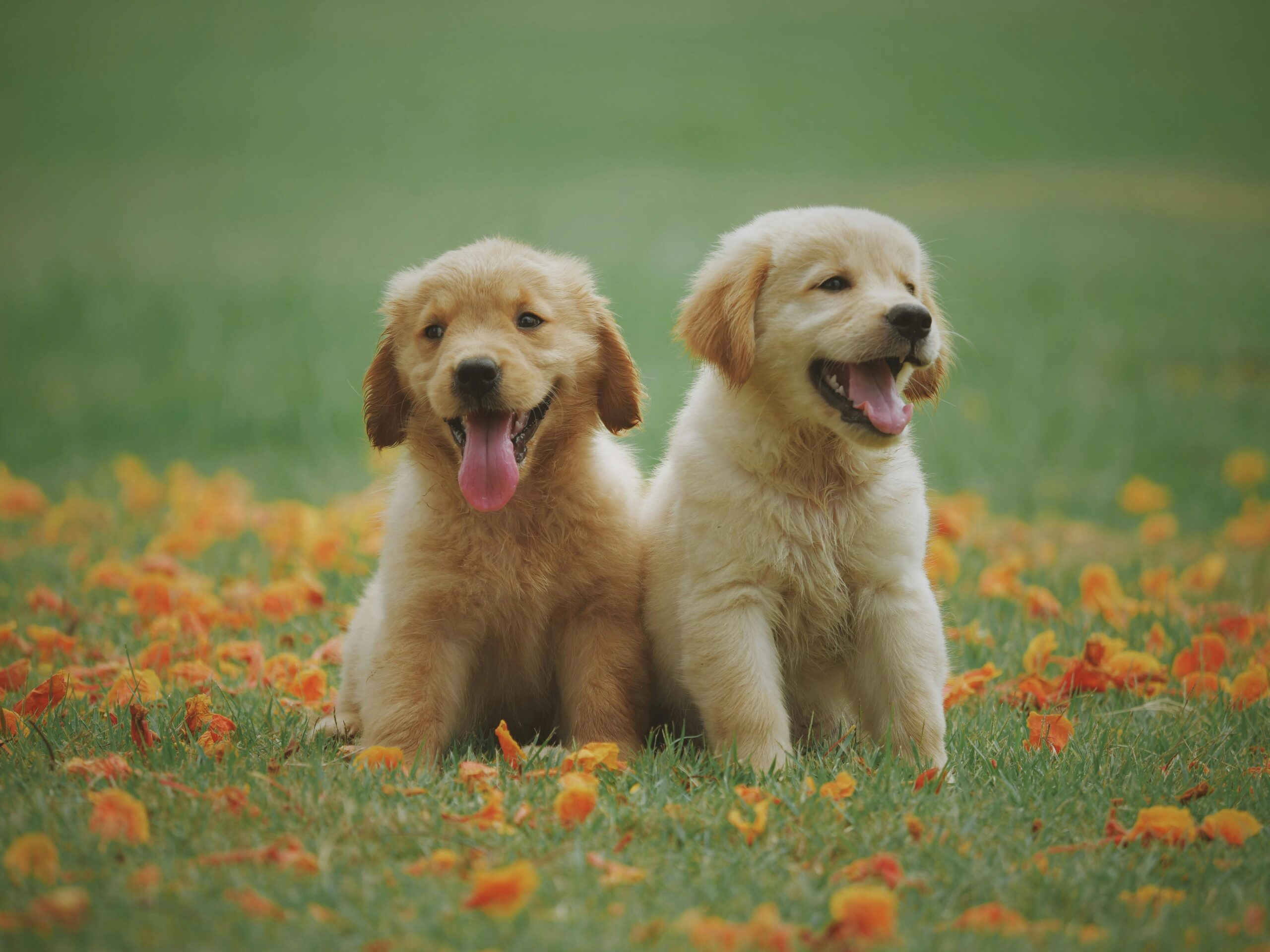
20 Essential Dog Training Tips Every Pet Parent Should Know
1. Start Early, Start Right
Begin training as early as possible—even puppies as young as 8 weeks can start learning basic commands like “sit” and “stay”.
2. Be Consistent
Use the same commands, tone, and rewards each time. Inconsistent cues confuse dogs and slow progress.
3. Keep Sessions Short and Fun
Limit training sessions to 5–15 minutes. Keep it playful and upbeat to maintain your dog’s attention and excitement.
4. Use Positive Reinforcement
Reward good behavior with treats, praise, or play. Positive reinforcement builds trust and motivates your dog to learn.
5. Avoid Punishment
Yelling, hitting, or harsh corrections create fear and break the bond between you and your dog. Focus on rewarding the behavior you want.
6. Train in Different Environments
Practice commands at home, in the yard, at the park, or on walks. This teaches your dog to respond no matter where you are.
7. Be Patient
Every dog learns at their own pace. Celebrate small wins and stay calm if progress is slow.
8. Teach One Command at a Time
Focus on one skill until your dog gets it, then move to the next. Overloading can cause confusion.
9. Use High-Value Treats
Save special treats (like chicken or cheese) for training. They grab attention and make learning more exciting.
10. End on a Positive Note
Always finish training with success and praise—even if it’s just a simple “sit.” This keeps training enjoyable.
11. Socialize Your Dog
Expose your dog to different people, dogs, and settings. Social dogs are more confident and easier to train.
12. Practice Daily
Even 5 minutes a day can make a big difference. Repetition builds strong habits.
13. Train Before Meals
Dogs are more food-motivated when slightly hungry. Use mealtime as an opportunity to practice obedience.
14. Use a Marker Word or Clicker
Words like “yes!” or a clicker sound mark the exact moment your dog did something right. This helps them learn faster.
15. Stay Calm and Assertive
Dogs pick up on your energy. Stay calm and confident when giving commands—never frustrated or aggressive.
16. Watch Your Timing
Reward or correct within 2 seconds of the behavior. Dogs connect cause and effect best in the moment.
17. Avoid Overuse of Commands
Don’t keep repeating “sit” or “come.” Say it once, wait, and guide them if needed. Repetition without action weakens the command.
18. Train With Purpose
Teach practical commands that improve everyday life—like “leave it,” “drop it,” “stay,” and “come.”
19. Don’t Expect Perfection
Mistakes are part of learning. Stay flexible and adjust your training style to your dog’s personality and needs.
20. Celebrate Progress
Track your dog’s improvement and celebrate every step. Training is a journey—enjoy it together!
Training isn’t just about obedience—it’s about communication, respect, and love. By using patience, consistency, and positive methods, you’ll not only raise a well-behaved dog but also deepen your lifelong bond.