
Welcoming a puppy into your home is exciting—and a little overwhelming. One of the first big decisions you’ll face is choosing the right food for your little furball. Proper nutrition in the early months lays the foundation for your puppy’s growth, energy, and long-term health. But with so many brands and types on the market, how do you choose the best one?
Let’s break it down and make it simple.
“Feeding your dog isn’t just about filling a bowl, it’s about building their future.”
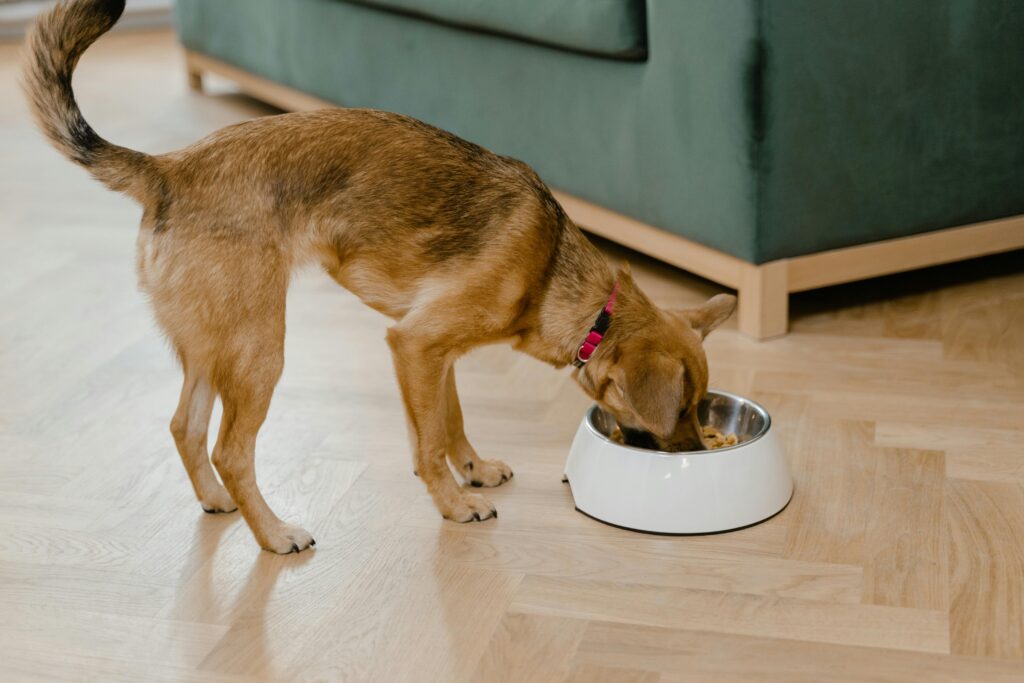
🍼 1. Understand Your Puppy’s Nutritional Needs
Puppies grow rapidly and need more calories, protein, fat, and nutrients than adult dogs. Look for food labeled “Complete and Balanced” for puppies or “All Life Stages” with AAFCO certification. This ensures it meets the standards for healthy puppy growth.
🐶 2. Choose the Right Food Type
There are three main types:
- Dry food (kibble) – convenient, budget-friendly, and good for dental health.
- Wet food – higher moisture content and often more palatable.
- Raw or fresh food – some pet parents prefer a raw or gently cooked diet, but this needs proper guidance from a vet or pet nutritionist.
🐕 3. Match Food to Your Puppy’s Breed and Size
Large-breed puppies (like Labs or Great Danes) need food that supports slower, controlled growth to prevent joint issues. Small breeds need calorie-dense food to match their faster metabolism.
📋 4. Read the Ingredient List
The first ingredient should ideally be high-quality animal protein like chicken, beef, lamb, or fish. Avoid foods with fillers like corn, soy, and by-products as the main ingredients. Look for added omega fatty acids, DHA, calcium, and probiotics.
🧪 5. Avoid Harmful Additives
Stay away from artificial colors, flavors, and preservatives (e.g., BHA, BHT). Choose brands that are transparent about their ingredient sourcing and production methods.
🩺 6. Talk to Your Veterinarian
Your vet knows your pup’s medical background and can recommend the best food based on breed, age, weight, and any sensitivities.
🥣 7. Transition Slowly
When switching to a new food, mix it gradually with the old one over 5–7 days to avoid tummy issues.
✅ Bonus Tip: Monitor & Adjust
Observe your puppy’s energy, coat quality, stool, and growth. These are signs that the food is (or isn’t) working for them. Every pup is unique, so be prepared to adjust as needed.
Final Thought
The food you choose now affects your puppy’s development and future health. Prioritize quality, balance, and suitability for their breed and age—and always keep fresh water available.